Break
- Gold
- From $180
- Silver
- From $150
- Others
- From $120
A piece roughly palm-sized or smaller, broken clean through into two or three parts. Pricing varies with the number of fragments, the size of the piece, and how it broke.
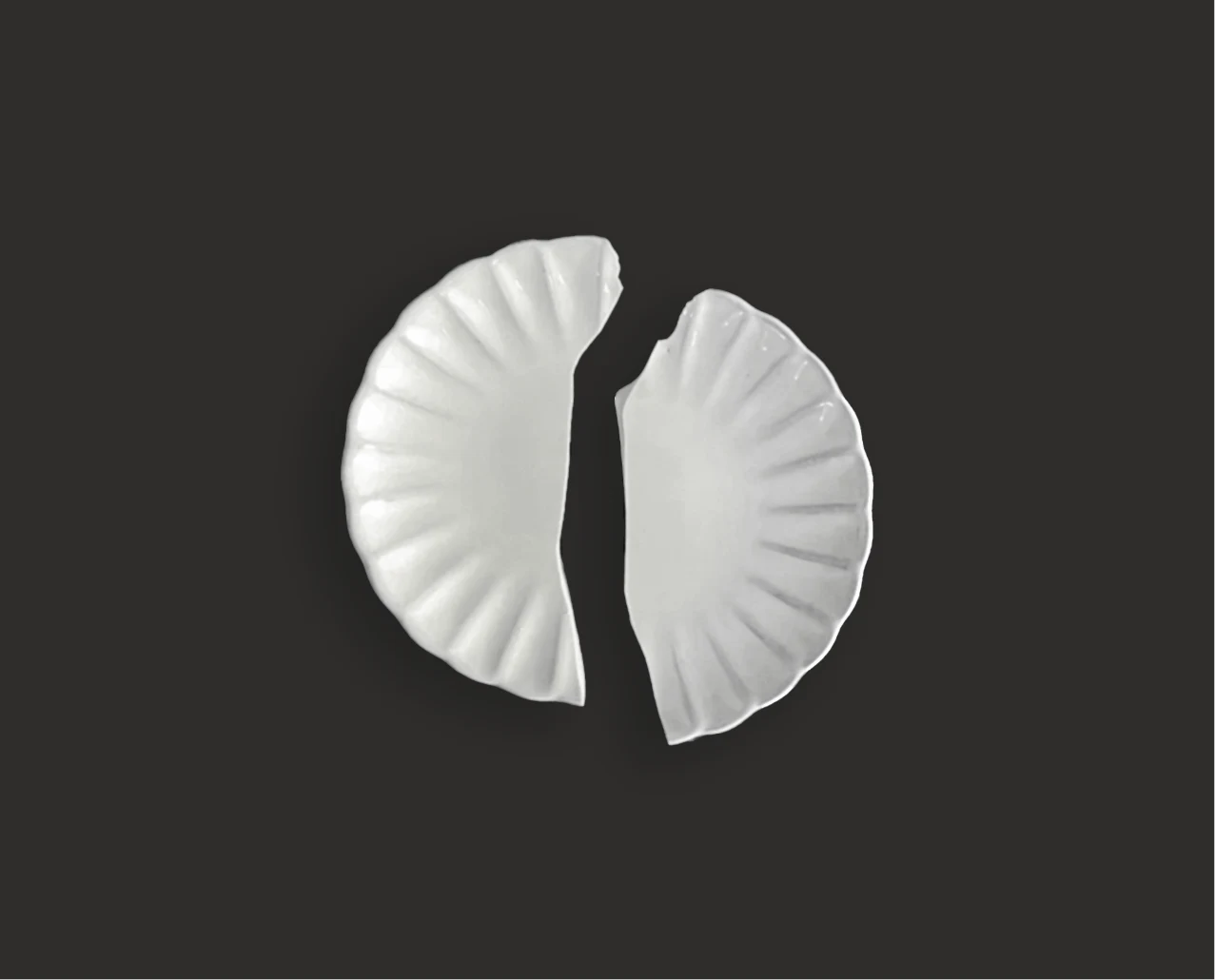
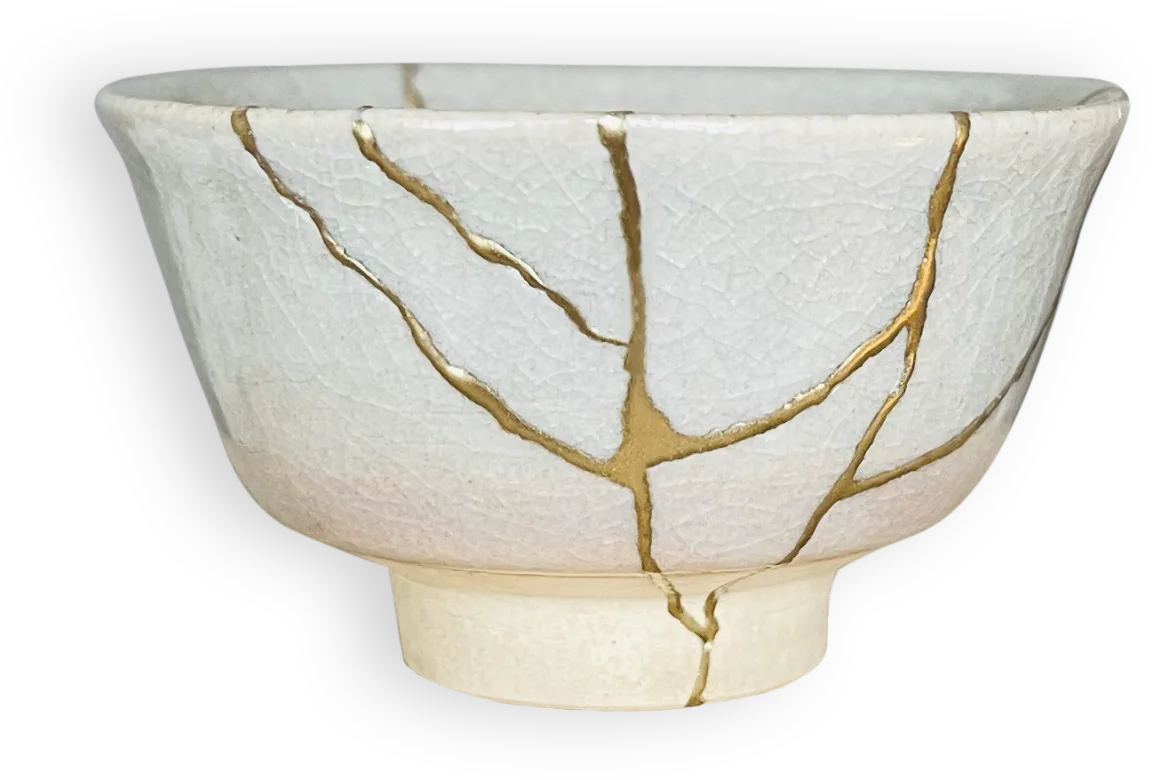
Kintsugi is a traditional Japanese art of repairing broken or chipped ceramics using natural urushi lacquer and fine powders of gold, silver, and other precious metals, a practice rooted in generations of knowledge and craftsmanship.
Rather than hiding the damage, Kintsugi embraces cracks and imperfections, transforming them into something that becomes part of the piece's new character and beauty. This is what makes Kintsugi so special.

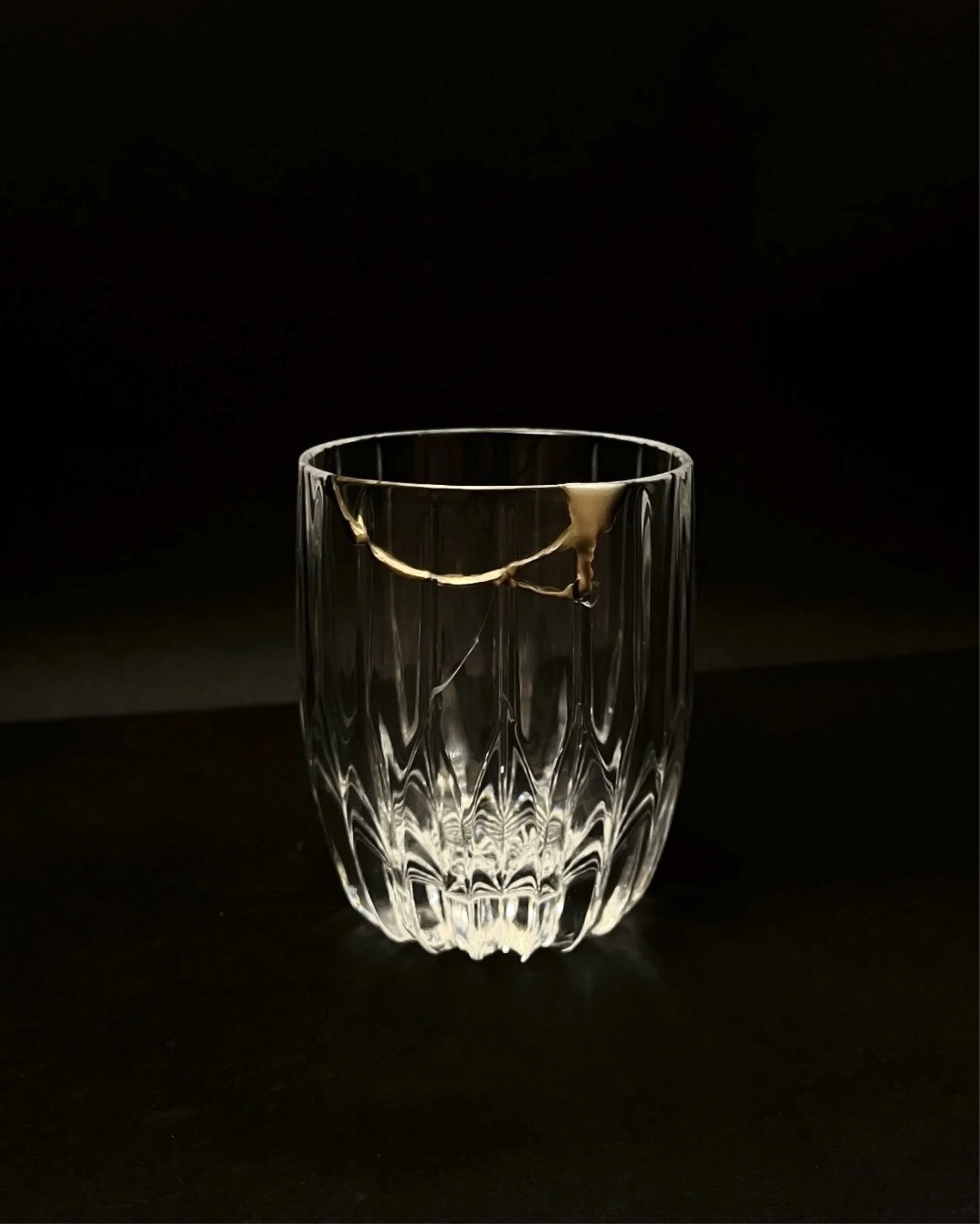
Traditional Kintsugi uses natural urushi lacquer, known for its strong adhesive properties and its ability to become harder and stronger over time. Urushi is also a natural material with antibacterial properties, and once fully cured, it is suitable for use on pieces intended to come into contact with food.
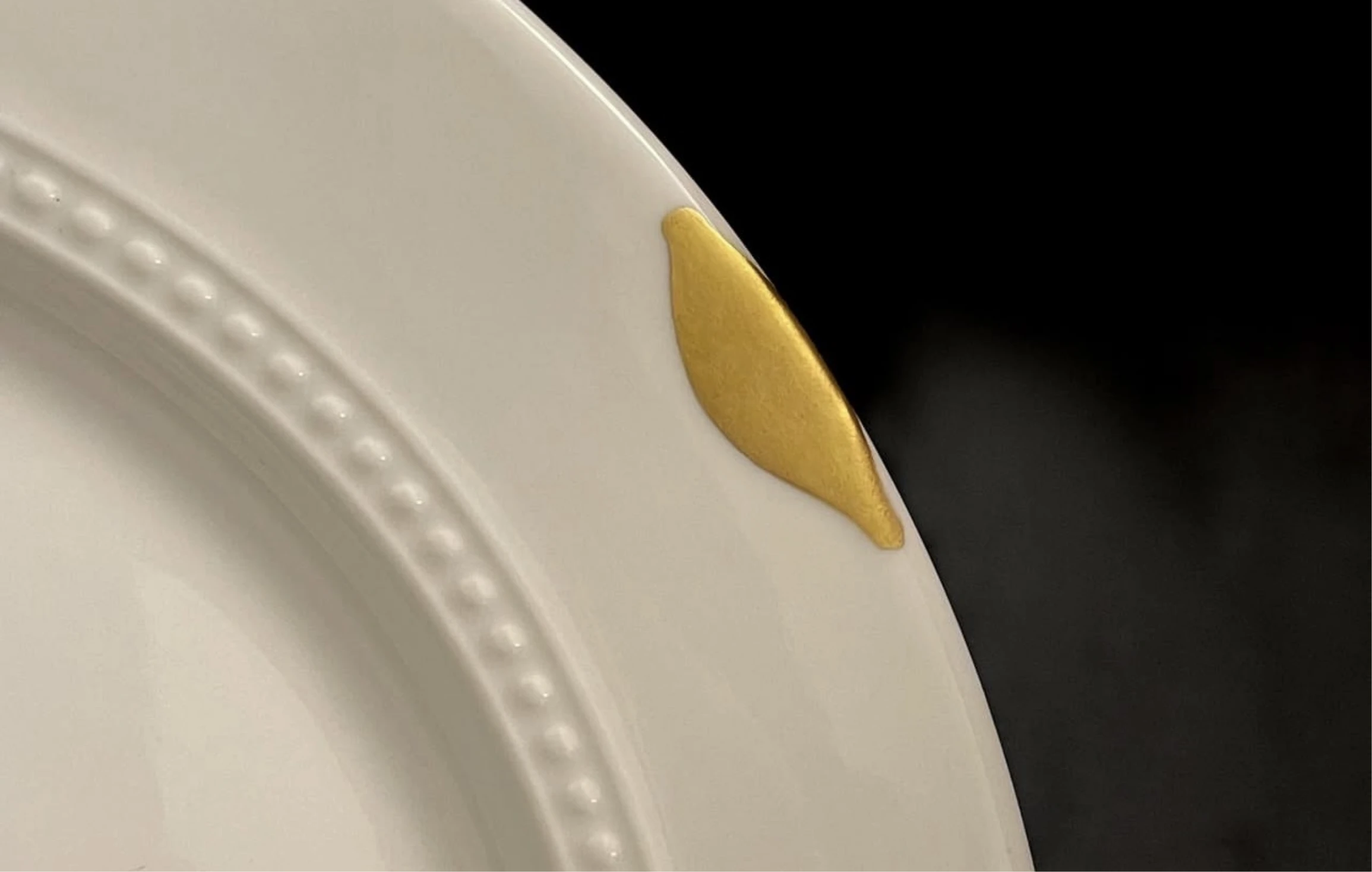
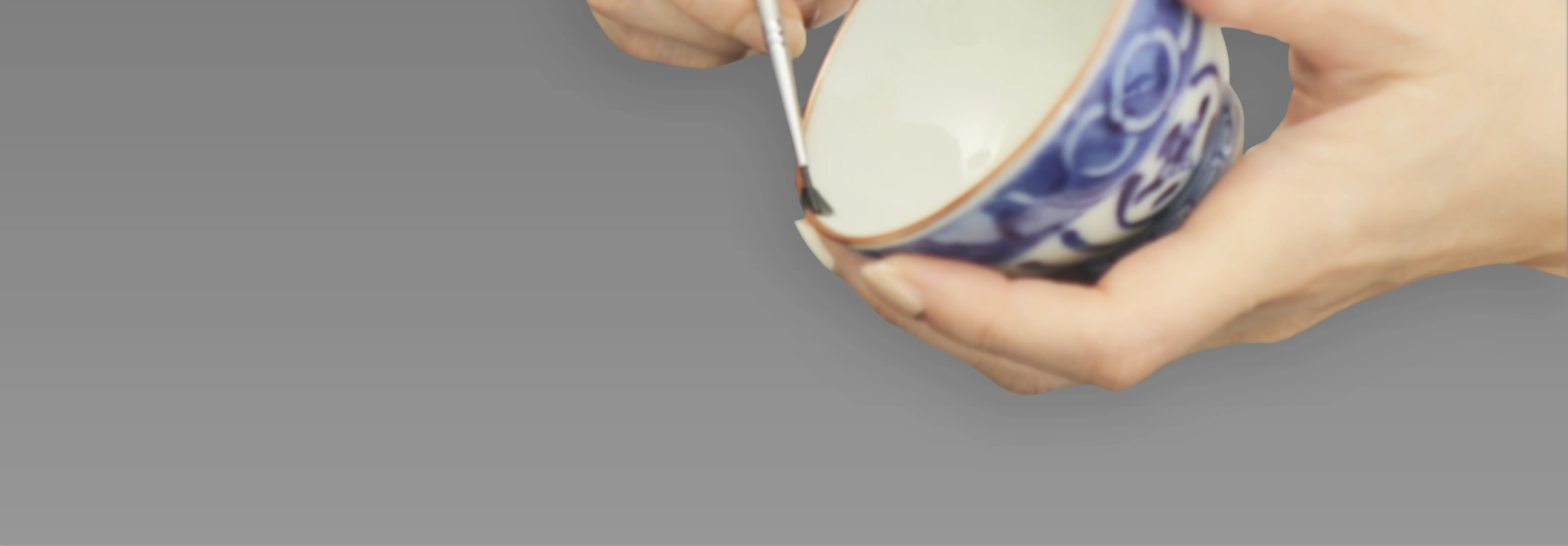
At my studio, each piece is carefully restored entirely by hand, using traditional techniques and materials, with an approach tailored to the individual piece.
Because the process is meticulous and takes time, restoration typically takes around 3–4 months to complete.
Lead time: 3–4 months
Traditional restoration using natural urushi lacquer with pure gold or pure silver. The piece can be used again as a functional vessel.
Other metal powders and urushi colours are also available.
Lead time: 2 weeks – 2 months
Restored using contemporary materials such as epoxy and brass. A more accessible option with a shorter turnaround, best suited for decorative pieces, display pieces, and glass.
Lead time: 2–4 months
Combines traditional and modern restoration techniques. The methods are selected according to the condition, strength, and intended use of each piece.
Tin, brass, and coloured urushi are also available. These materials have long been used in traditional Kintsugi by everyday people in Japan.
Please note that these prices are for reference only. The final price may vary depending on the size of the piece and the extent of the damage.
A piece roughly palm-sized or smaller, broken clean through into two or three parts. Pricing varies with the number of fragments, the size of the piece, and how it broke.
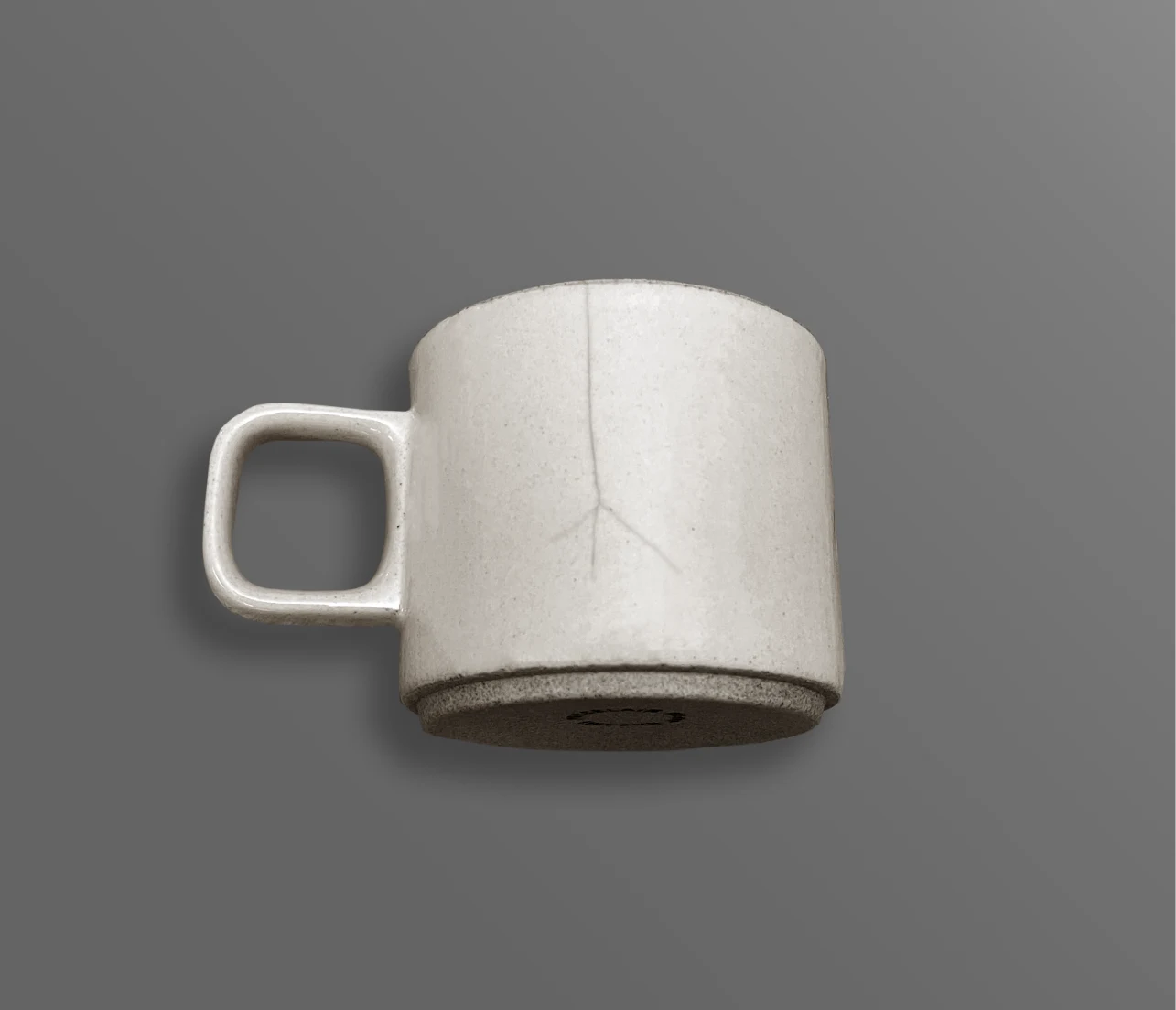
The piece is cracked but has not fully separated. Pricing varies with the length and condition of the crack.
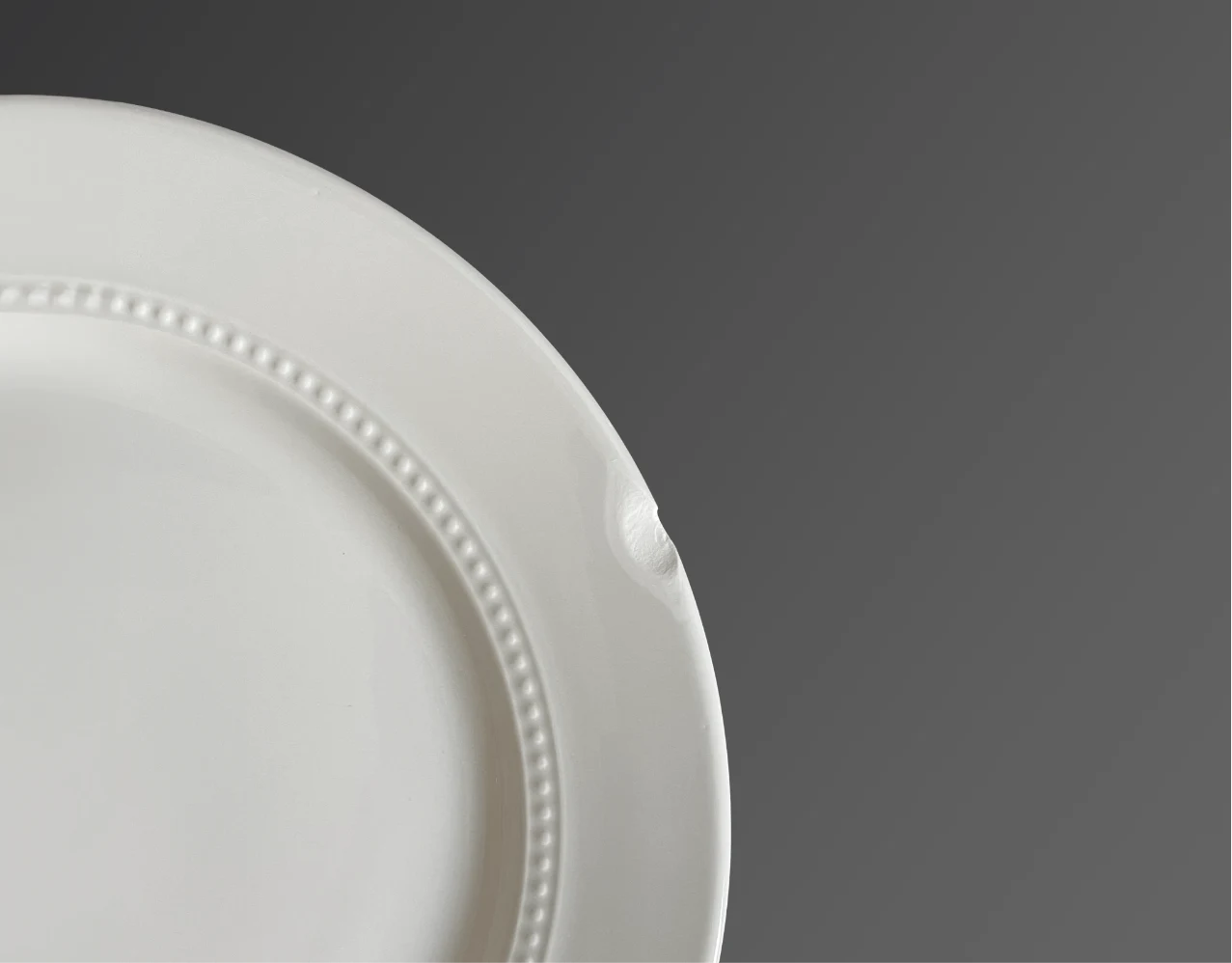
A portion of the piece is missing. Pricing varies with the size and extent of the loss, and the number of chips.
Our kintsugi pieces are generally restored using traditional techniques and natural materials, such as urushi lacquer, which is derived from tree sap. Once completed, they are safe for daily use.
For pieces finished with brass or repaired using epoxy adhesive, we generally recommend using them for display only. If you have any questions about the materials or finish used on your piece, please feel free to contact us.